Cusco - Stones, Stories and Stairways
The morning began with Javier driving us to the airport, the desert fading behind us as we prepared for the next chapter of our Peruvian journey. A short flight later, we stepped off the plane into the thin air, perched at 3,400 meters above sea level on the edge of the rainforest. The altitude was immediately noticeable, but so was the energy of the city—alive with history, culture, and the anticipation of adventure.
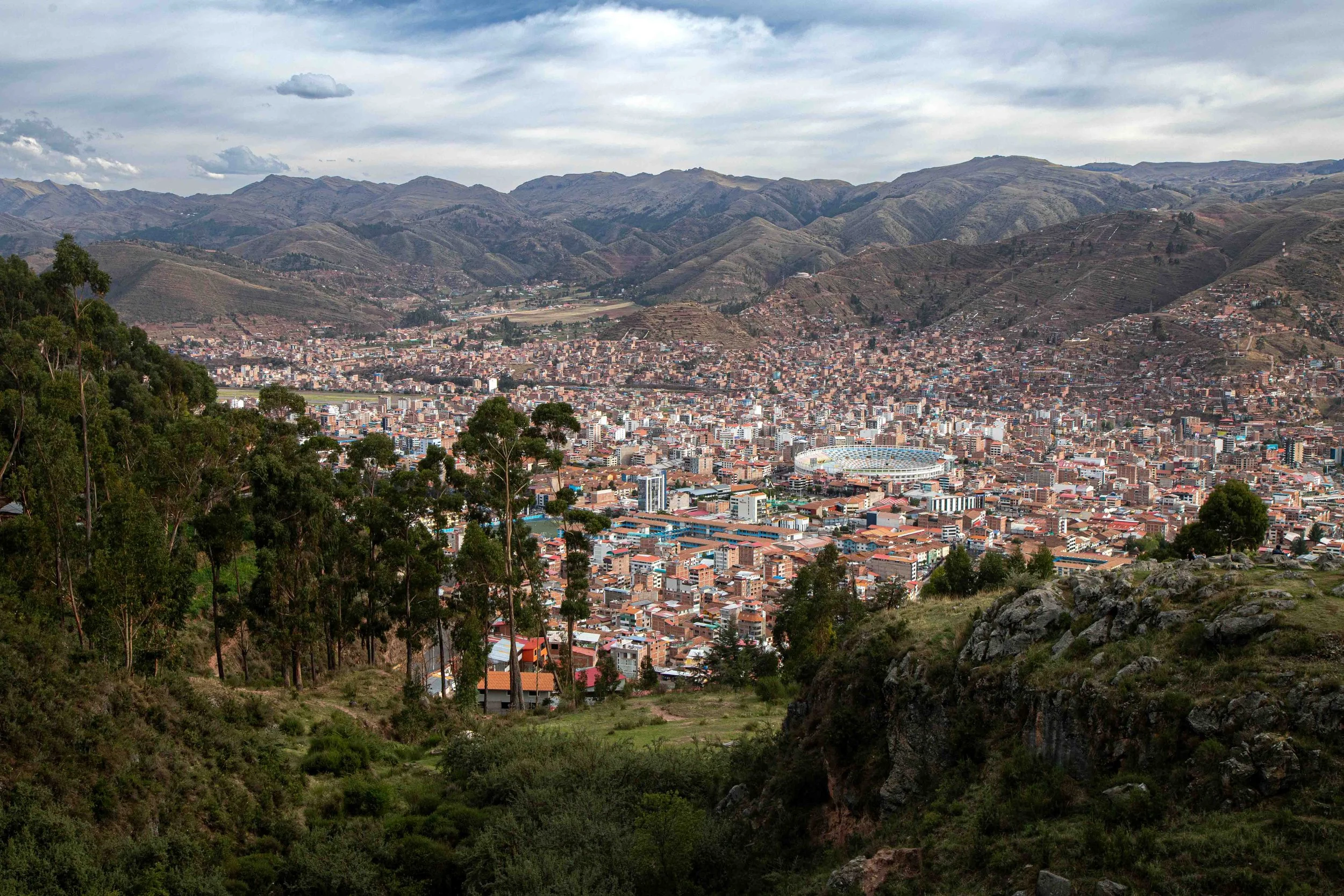
Once the capital of the mighty Incan Empire, Cusco now serves as a crossroads for thousands of travelers eager to explore the remnants of this ancient civilization. The city itself is a living museum, where Incan foundations support Spanish colonial buildings, and where modern life hums alongside centuries-old traditions.
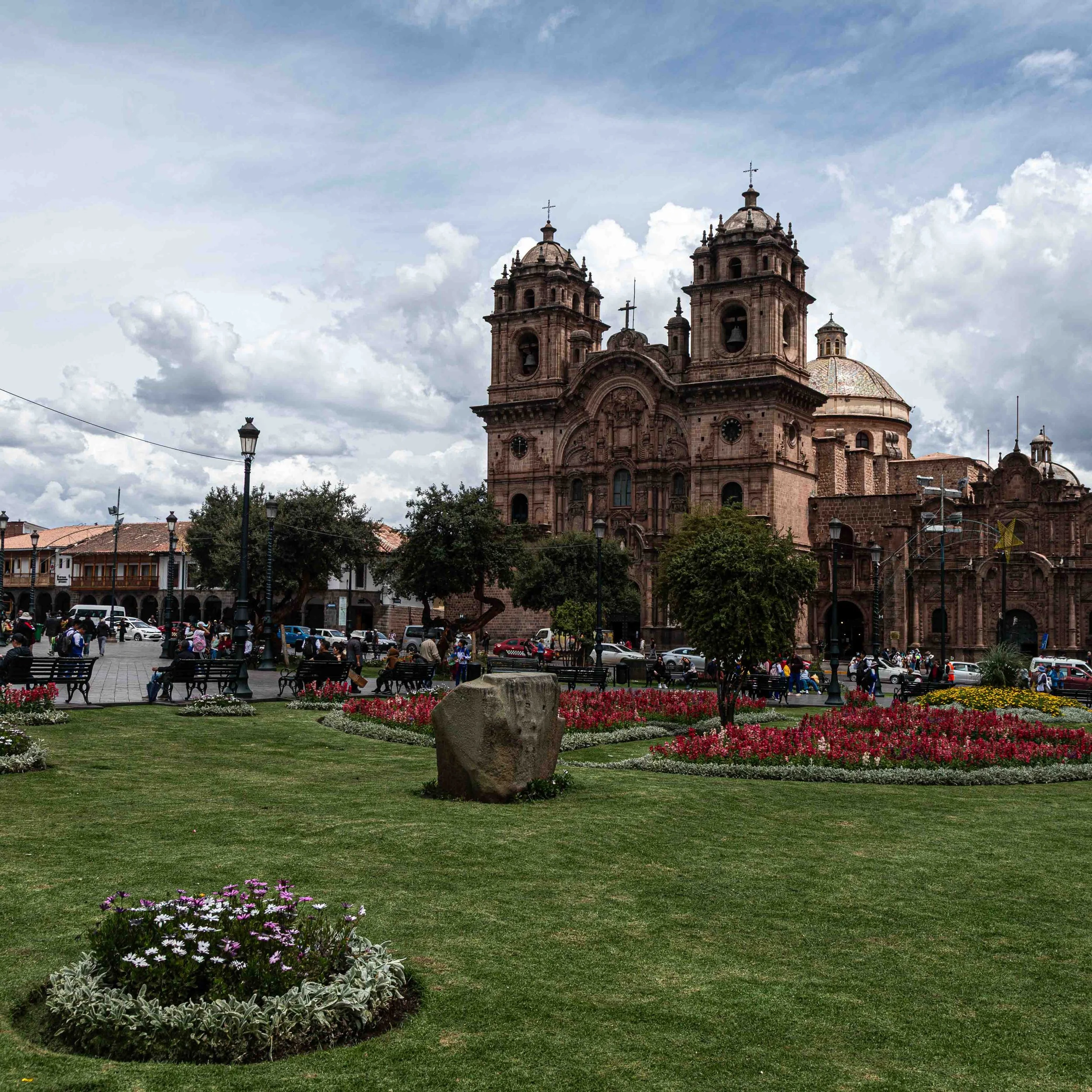
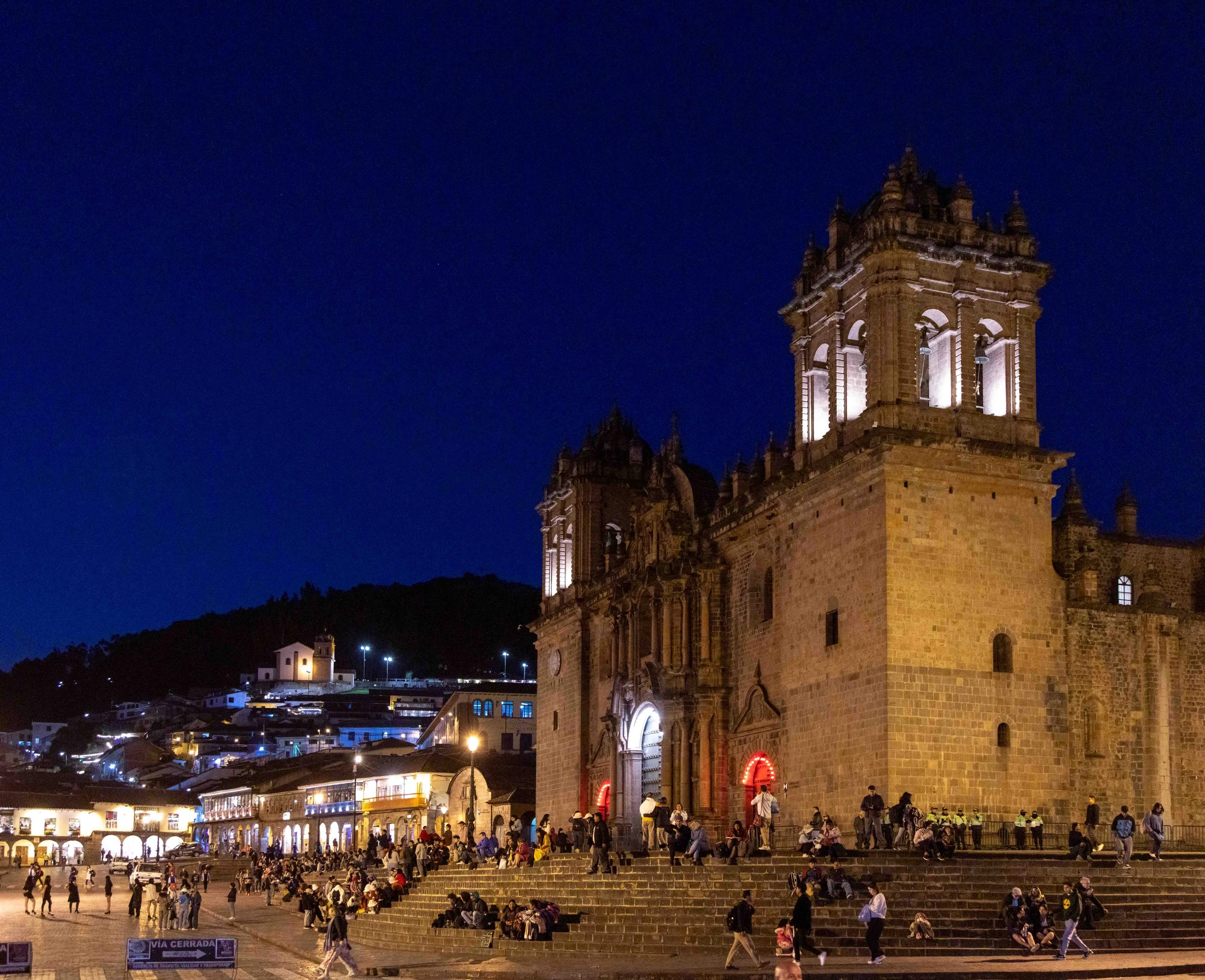
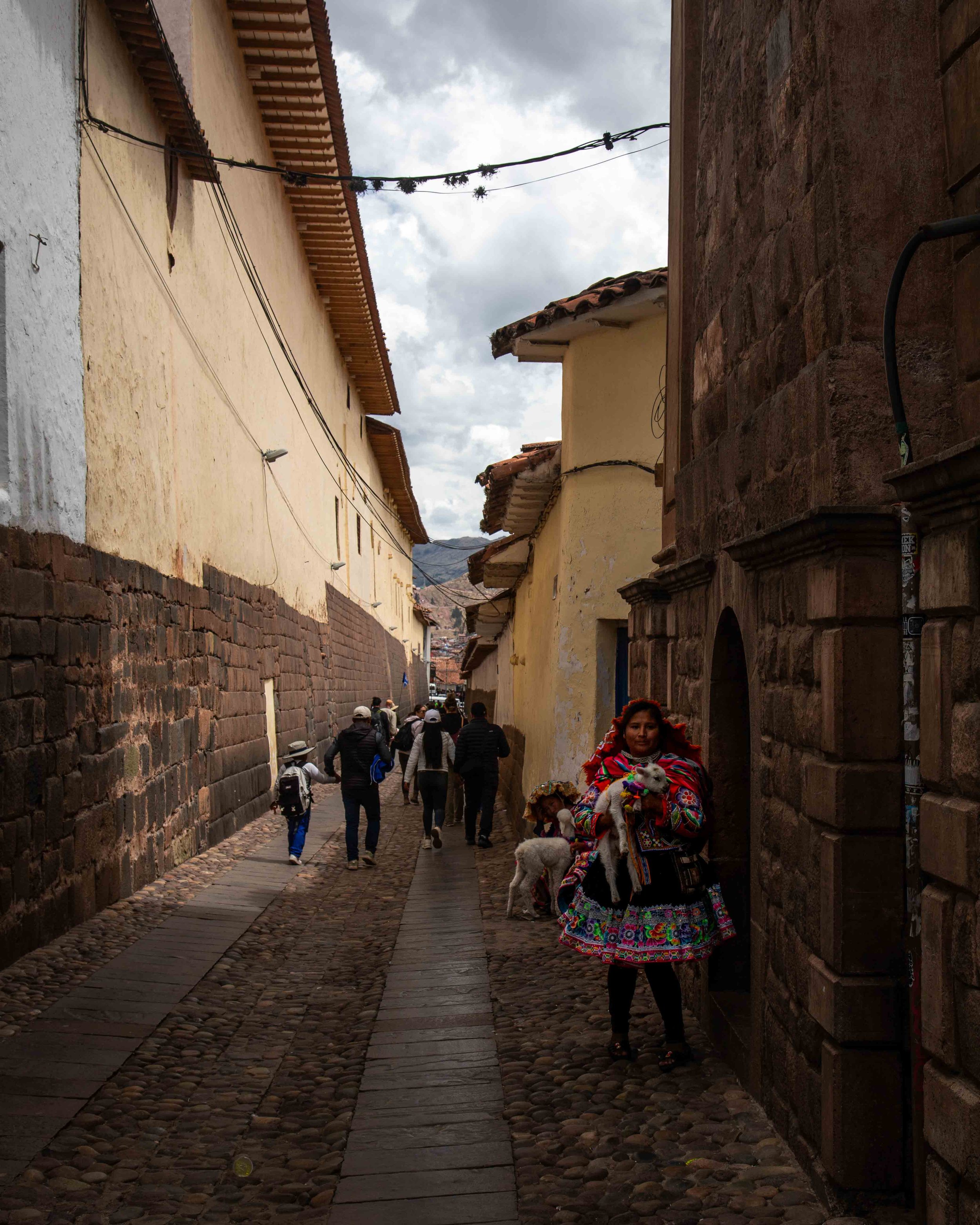
Our tour began in the historic city center, at the Plaza de Armas. The square was full of energy, welcoming both locals and visitors. From there, our tour guide led us through cobblestone streets where local vendors displayed their goods—handmade crafts, colorful textiles, and fresh snacks that added life to every corner. Along the way, museums, shops, and restaurants offered plenty to explore, making the city feel both historic and vibrant.
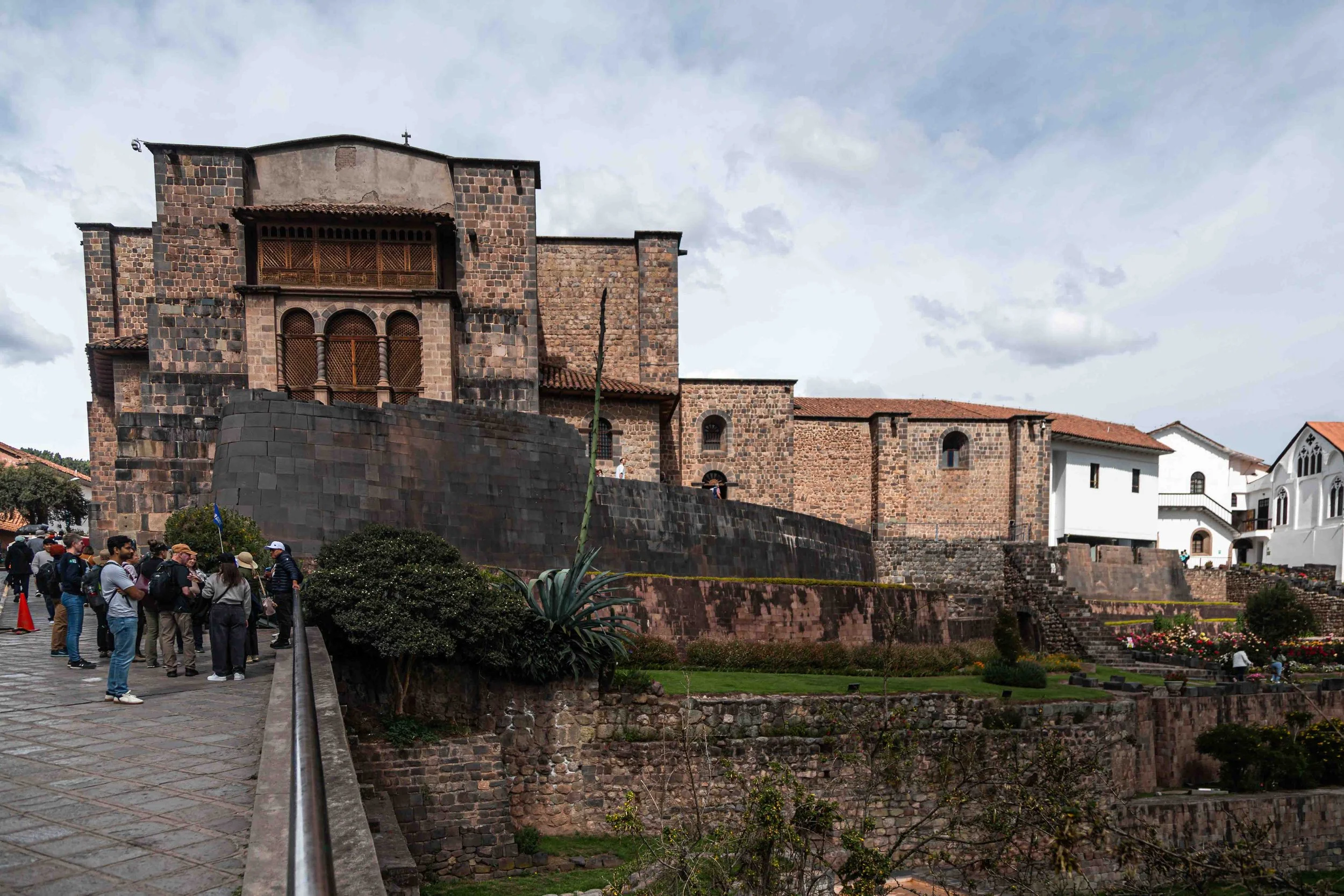
Qorikancha
The highlight was Qorikancha, once the most sacred temple of the Inca, dedicated to the sun god Inti. Its finely cut stone walls, perfectly aligned without mortar, revealed the genius of Inca builders. Later, the Spanish built the Church of Santo Domingo on top of it, creating a striking blend of cultures and faiths in one place.
From there, we ascended by bus to Saqsaywamán, the ruins of a fortress overlooking the city. The sheer size of its stones, some weighing over 100 tons, left us in awe. How the Inca managed to transport and fit them so precisely remains one of history’s enduring mysteries.
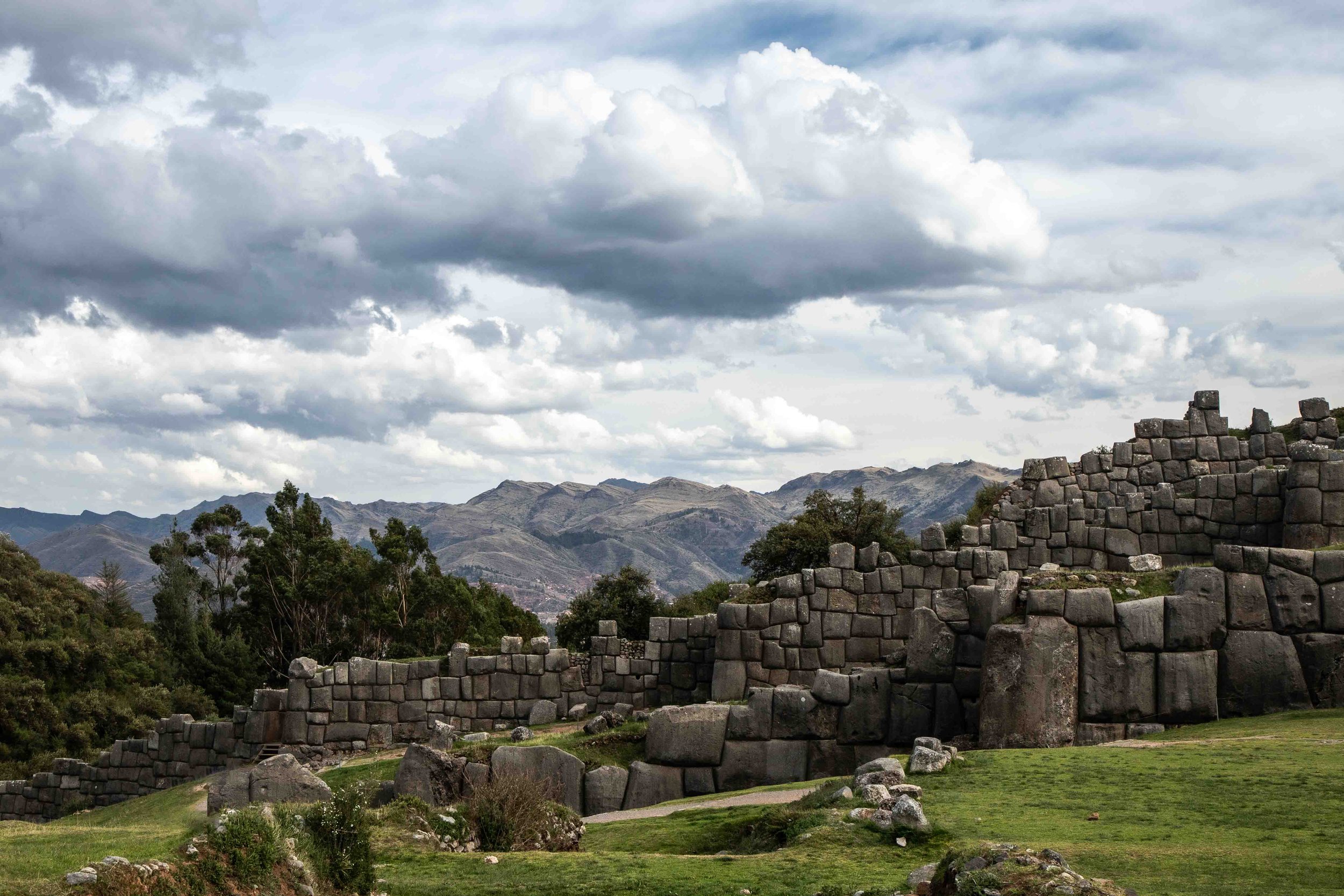
Saqsaywamán
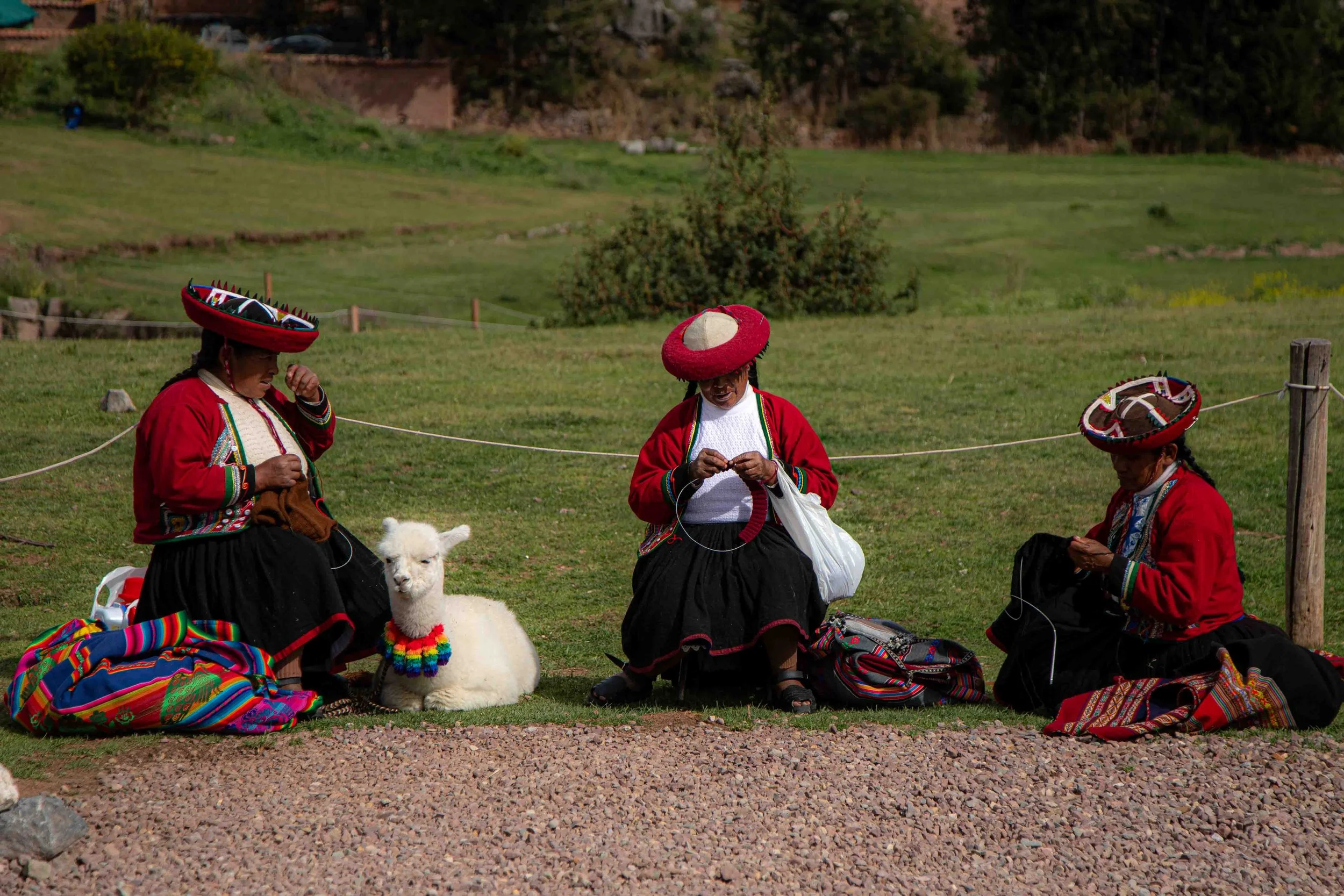
Saqsaywamán
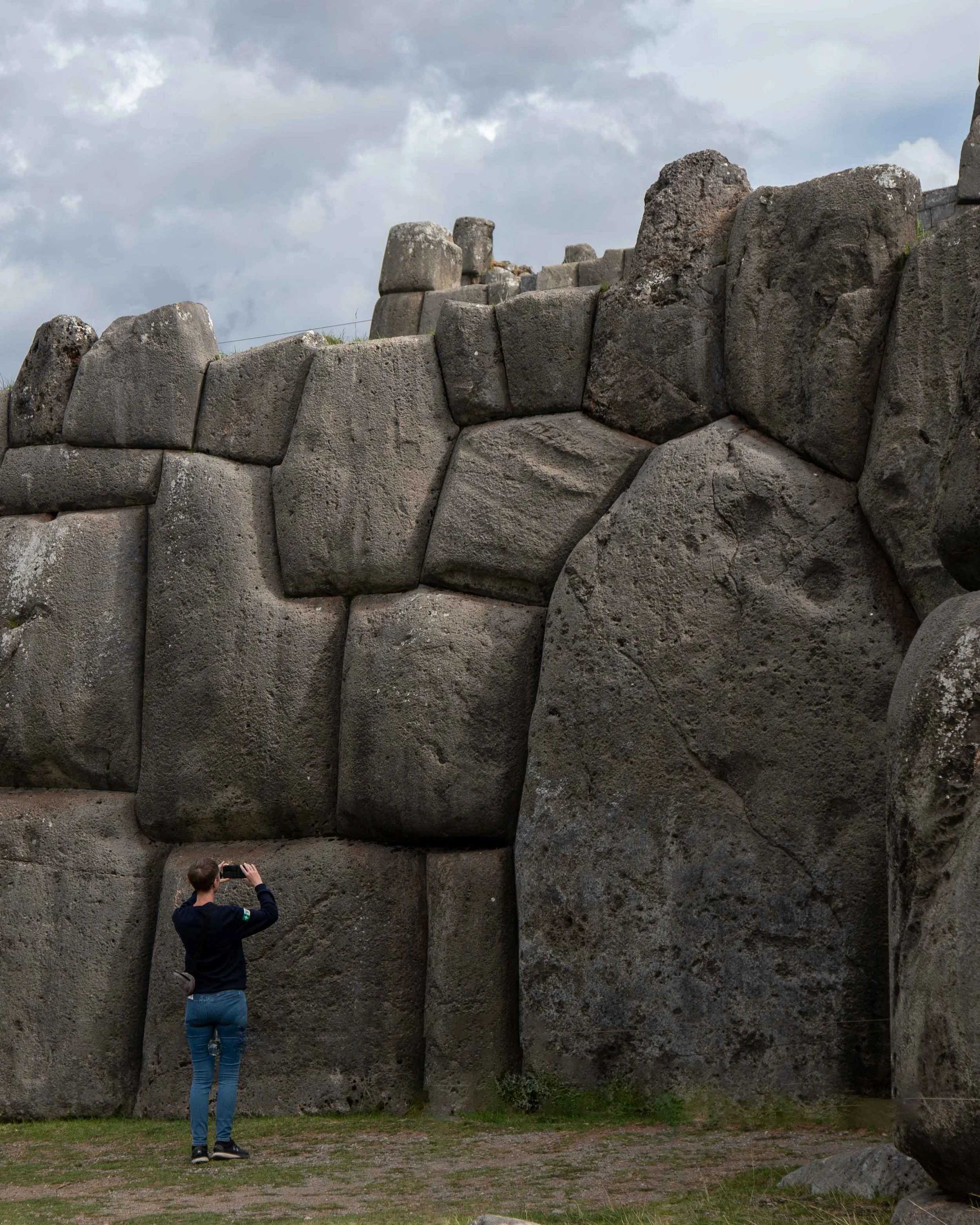
Saqsaywamán
Over the next two days we visited the historical sites of Q’enko, Tambomanchay, Puka Pukara, Sacred Valley, Pisaq Q’allaqasa, and Ollantayambo. We marveled at the Incans’ ingenuity as we climbed endless stairs, wandered through stone structures, and dodged endless tourists and alpacs.
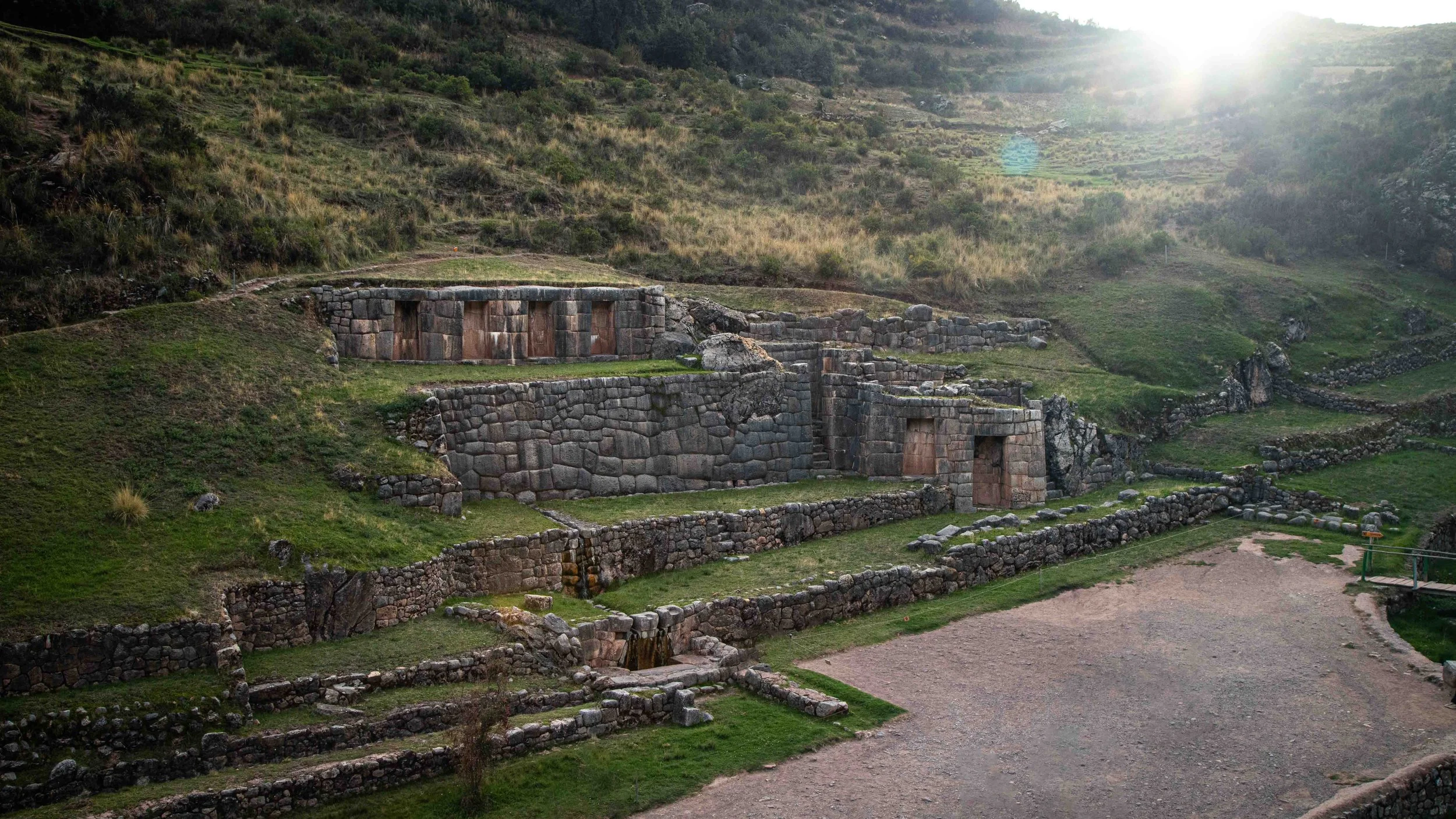
Tambomanchay
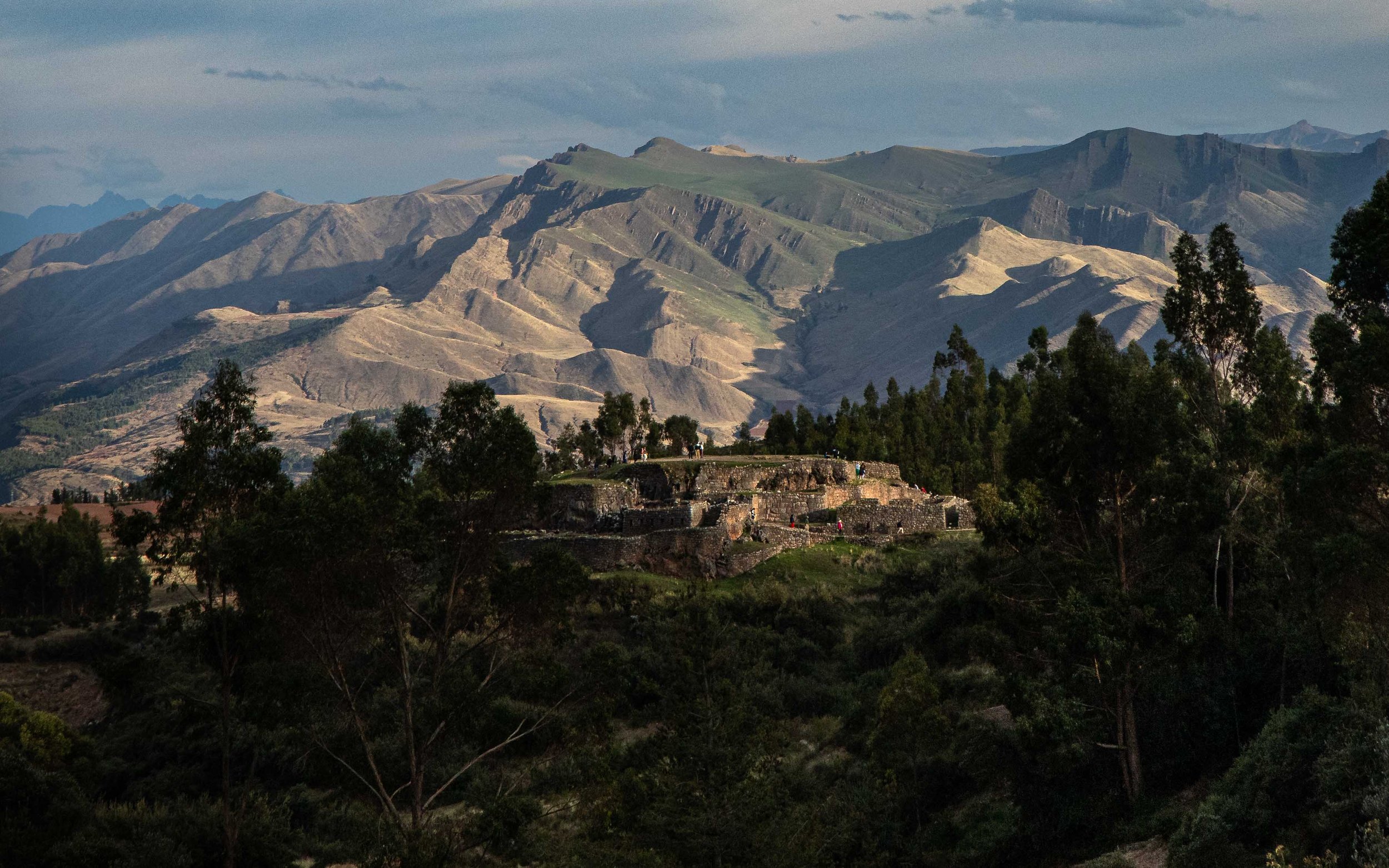
Puka Pukara
Each site revealed more of the Incan story: this ancient civilization experienced rapid growth under one ruler in the late 15th century but was very quickly destroyed with the arrival of the Spanish in 1532. What the Incans built on trade and inclusion was shattered as the Spanish sought precious metals and imposed their rule. And although the Incan bloodline has grown thin, our local tour guides were proud to share their history.
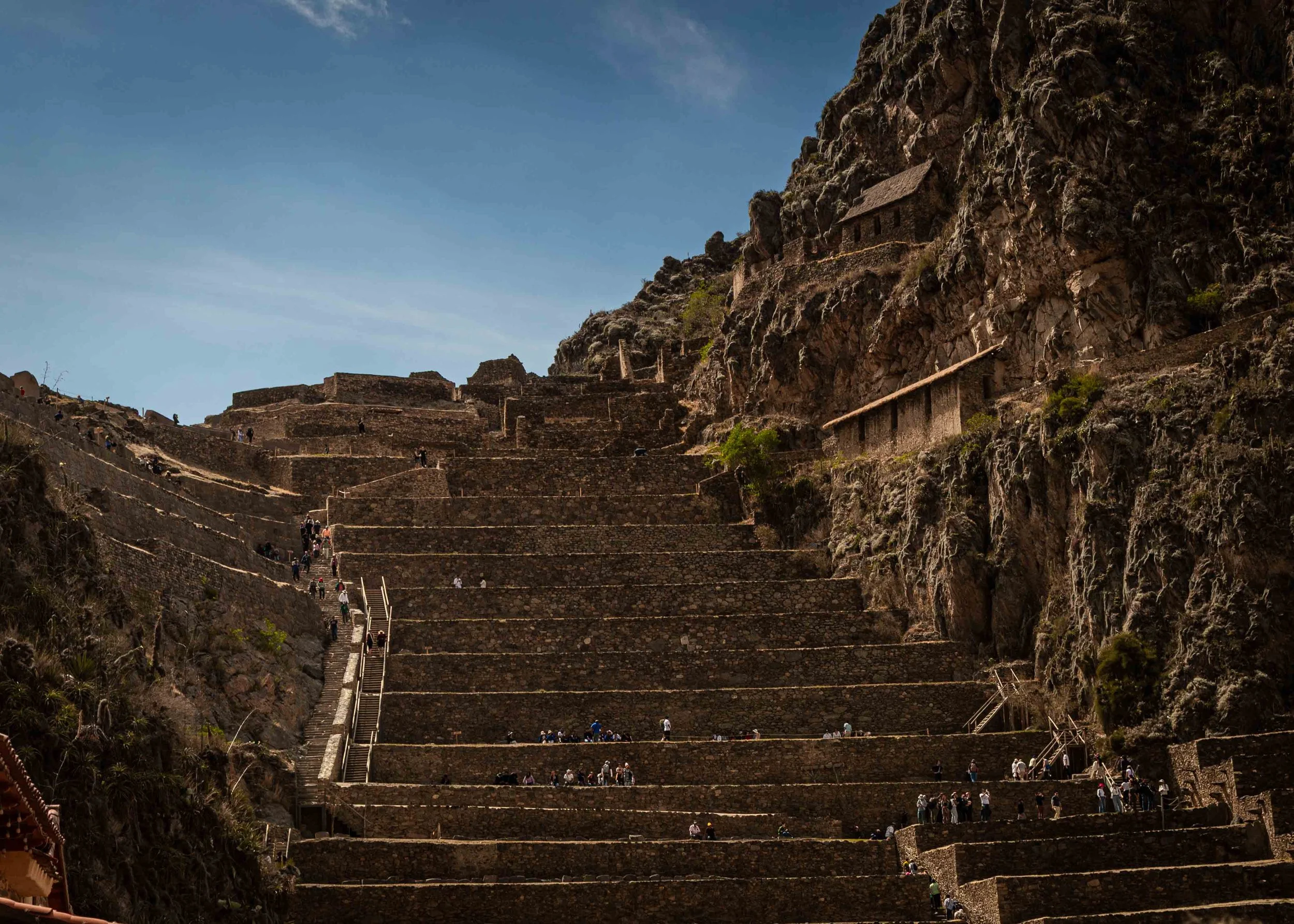
Ollantayambo
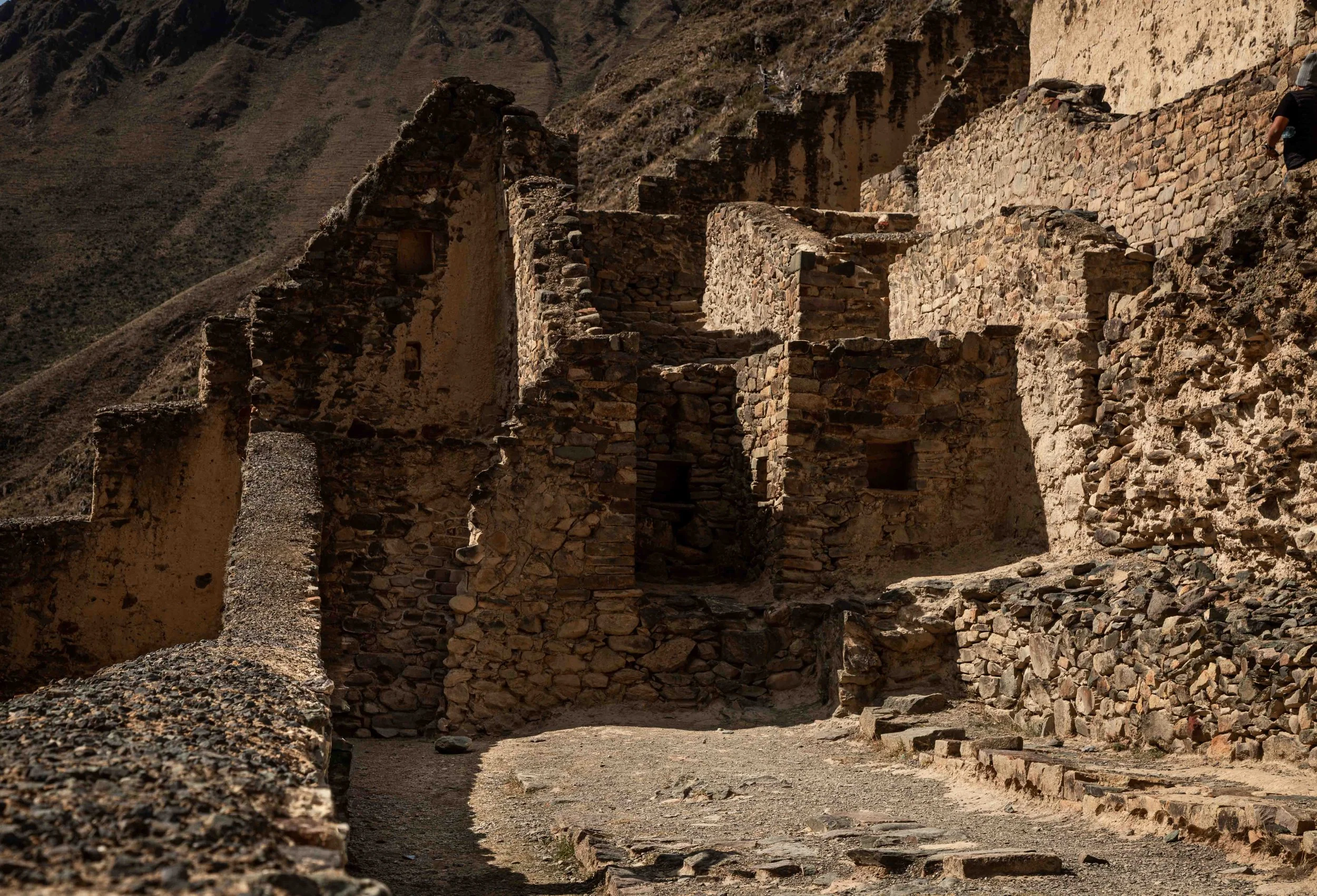
Ollantayambo
In the evening, we boarded a train to Agua Calientes, a small but busy tourist town at the base of Machu Picchu. The next morning a bus took us up the mountain, following a narrow road with steep edges and numerous switchbacks, and avoiding buses traveling back down. At the top, we joined thousands of visitors who arrive daily to see Machu Picchu. Despite the crowds, the moment felt extraordinary—standing at the threshold of one of the world’s greatest archaeological wonders, hidden deep in the Andes mountains. Stepping into history, we spent several hours exploring the ruins of Machu Picchu, learning of its origins, why it was abandoned, and how it was rediscovered.
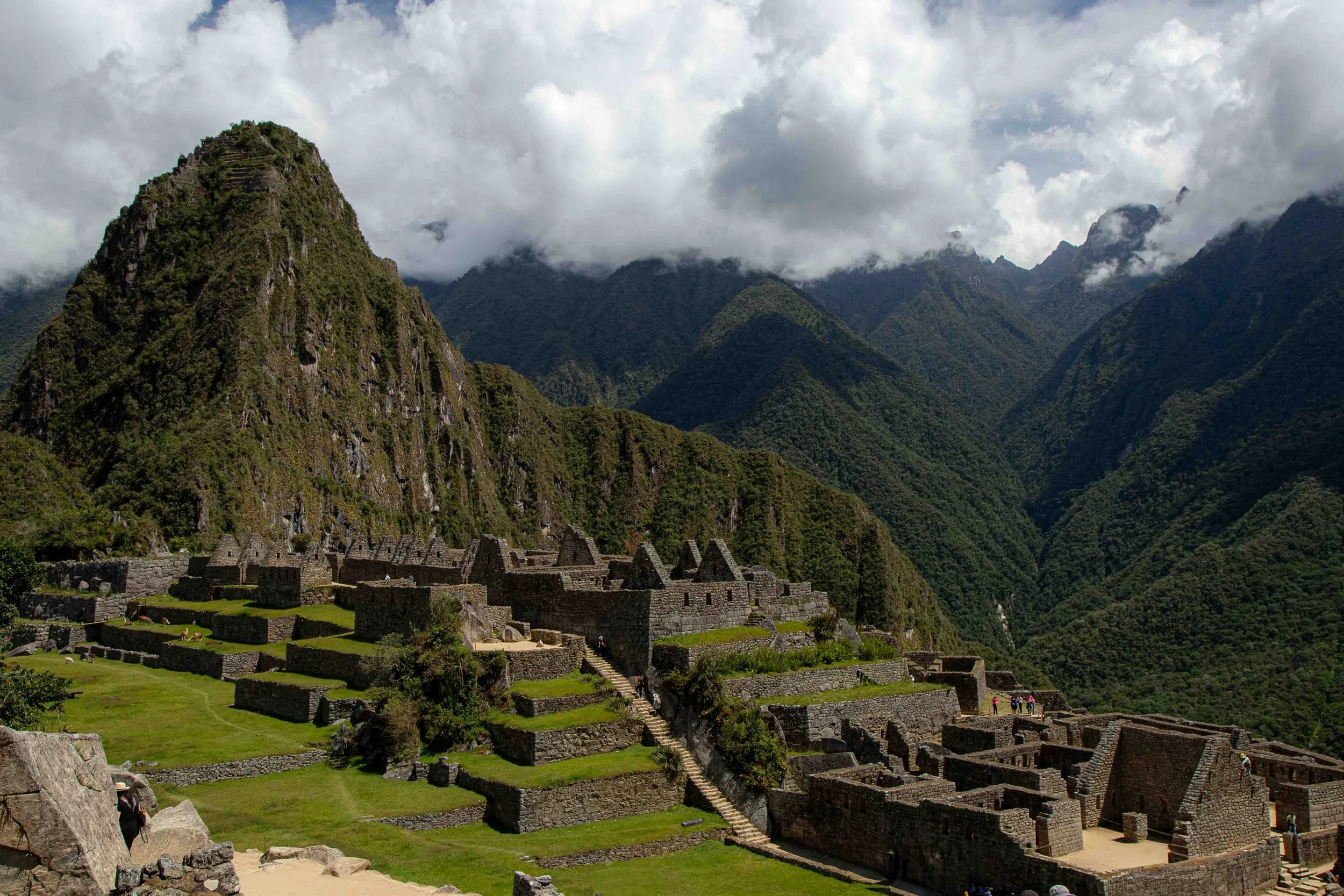
Machu Picchu
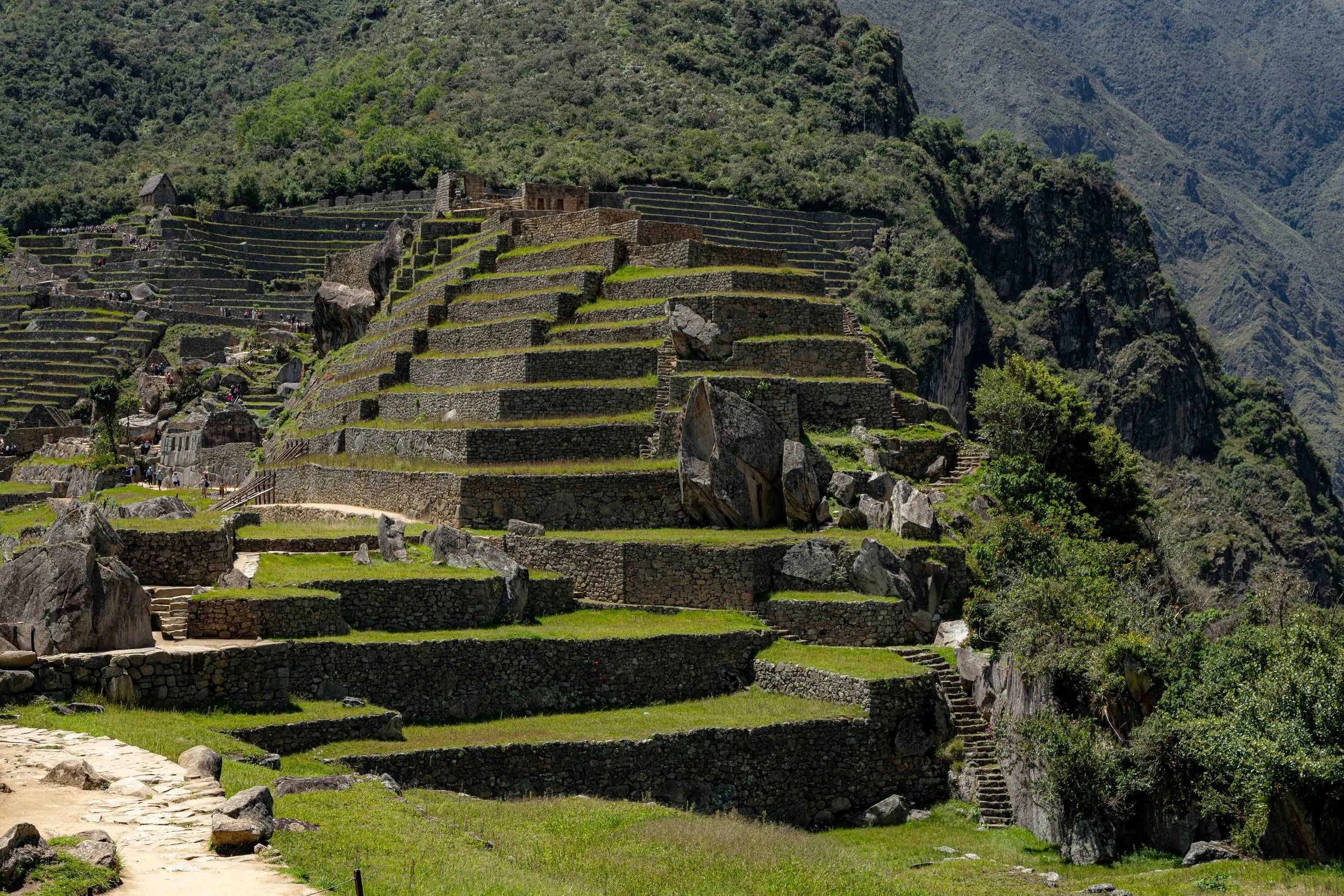
Machu Picchu
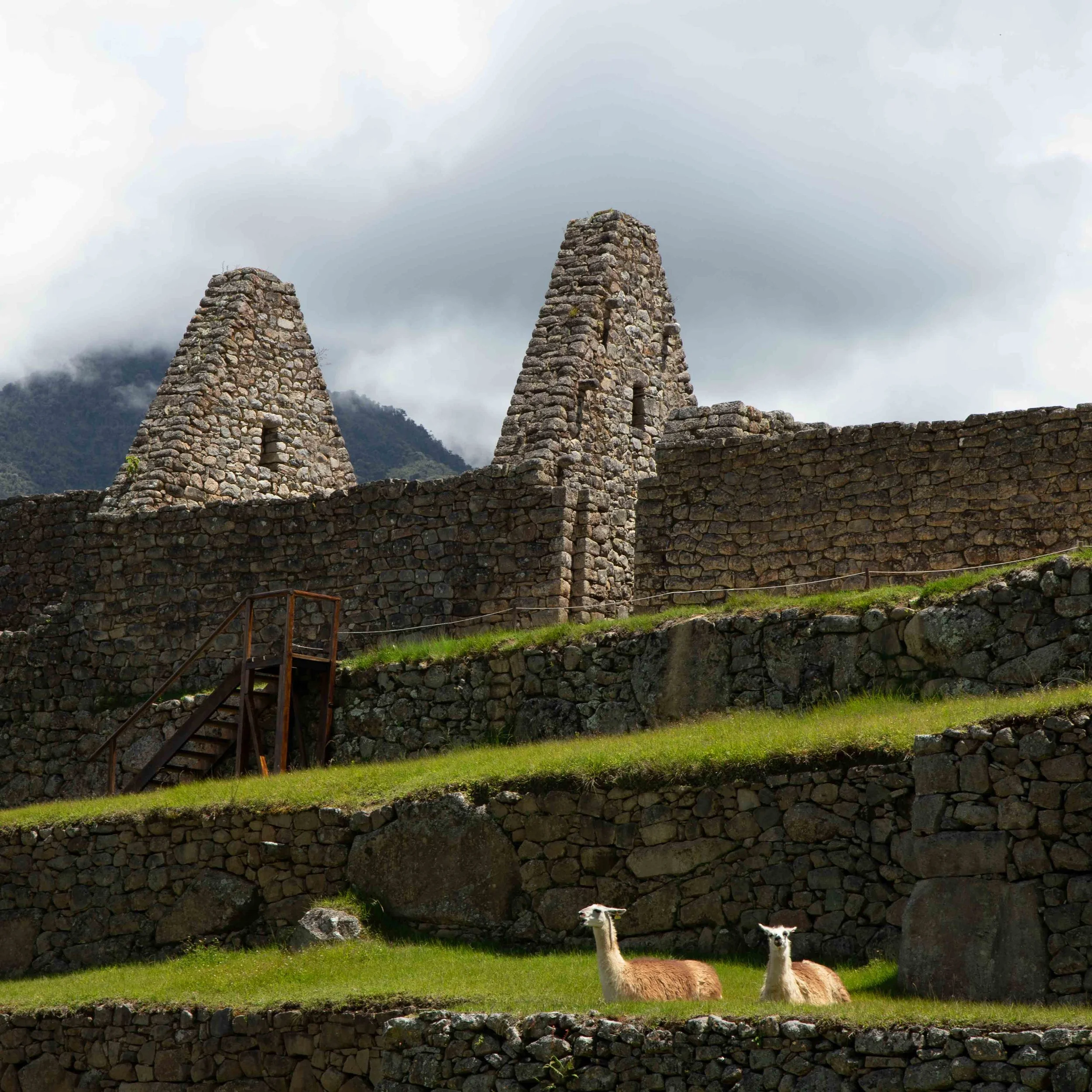
Machu Picchu
Returning to Cusco for the last day of our tour, we opted to skip the scheduled group tour to spend a quiet day in the city, just the two of us. We meandered through museums full of history, parks full of families, and galleries full of art and music. We also found a charming restaurant that served us local delicacies of cuy (guinea pig) and grilled alpaca.
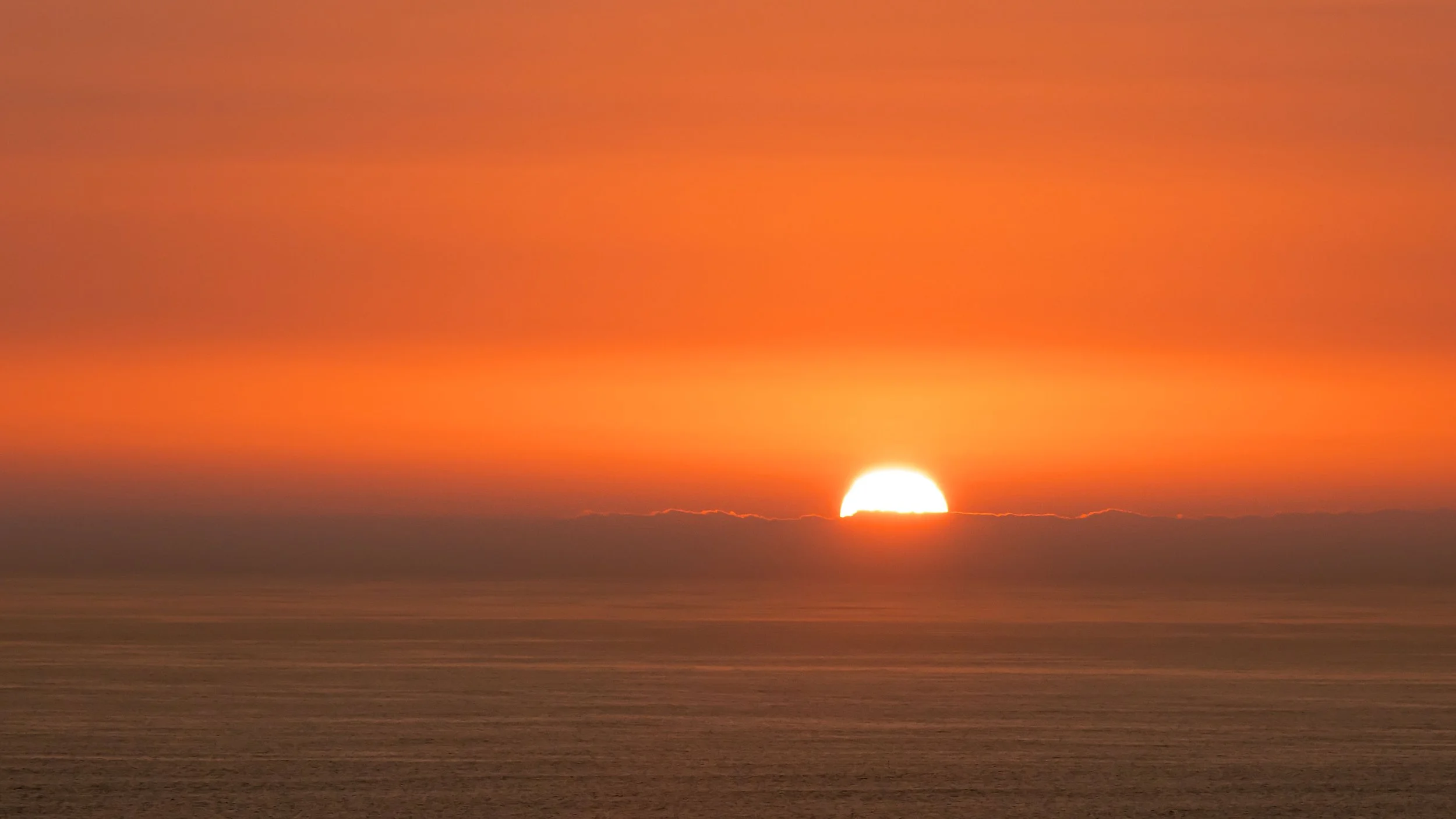
Pacific Ocean
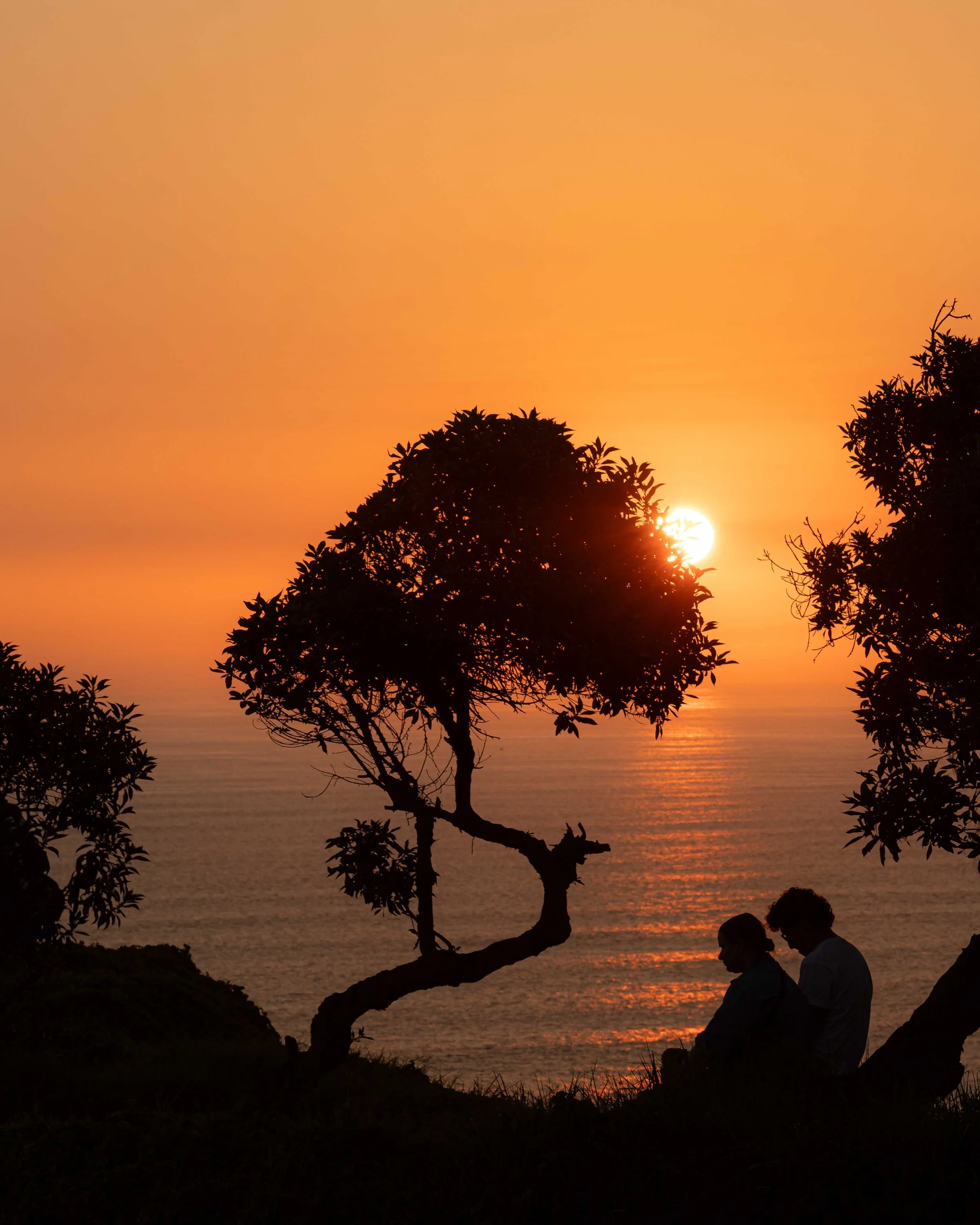
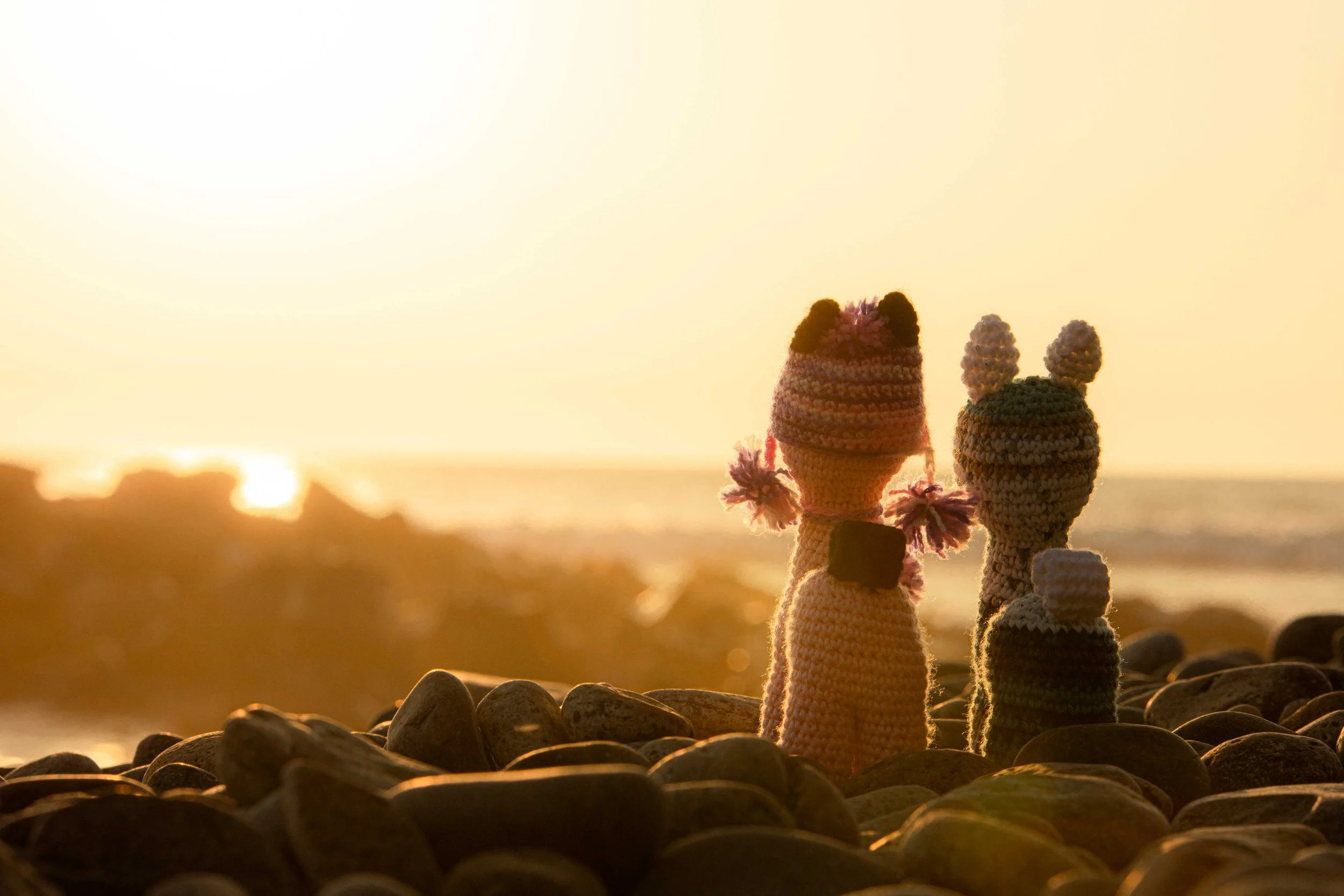
Our adventure was drawing to a close. We flew back to Lima, and with one night left before returning to Canada, we chose a hotel in Mira Flores, where the ocean opened to an endless horizon. The evening unfolded like a gift: families laughing in the park, and couples eagerly awaiting the glow of a romantic sunset. We found our own quiet corner where we could watch the sky soften into gold, then descended the long stairs to the beach, letting the waves wash over our final hours. As the sun slipped lower, we climbed back up to the cliff’s edge, hearts full, watching the sun disappear behind the horizon.
These last couple of days in Peru gave us a chance to slow down and absorb all we had seen and felt, to treasure the families we had met, and to dream of the life we are building together. If God writes our return into His story, we will come back. Yet hope is not about controlling the ending—it is about trusting His plan and knowing our journey mattered.